
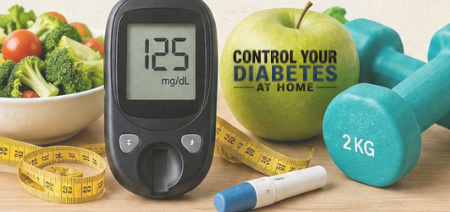

Control Your Diabetes at Home: Practical Steps for Better Blood Sugar Management
Managing diabetes at home is possible with the right daily habits, regular monitoring and guidance from a qualified healthcare professional. However, diabetes is a long-term condition, and home care should support—not replace—medical treatment.
The main goals are to keep blood glucose within your recommended range, prevent complications and understand how food, activity, medicines, sleep and stress affect your health.
What Does Diabetes Management at Home Involve?
Home diabetes care usually includes:
Following a balanced eating plan
Staying physically active
Taking medicines exactly as prescribed
Checking blood sugar when advised
Maintaining a healthy weight
Caring for your feet and skin
Attending regular medical check-ups
Knowing when to seek urgent help
Your treatment plan may differ depending on whether you have type 1 diabetes, type 2 diabetes, gestational diabetes or another form of diabetes.
1. Follow a Balanced Eating Plan
Food has a direct effect on blood sugar. You do not necessarily need to avoid all carbohydrates, but choosing better-quality carbohydrates and controlling portions can help.
Include More of These Foods
Non-starchy vegetables such as spinach, cucumber, beans, cauliflower and gourds
Whole grains such as oats, dalia, brown rice and whole-wheat roti
Protein sources such as dal, beans, eggs, fish, chicken, tofu and unsweetened curd
Nuts and seeds in small portions
Fresh fruit in appropriate portions
Healthy fats such as those found in nuts, seeds and selected cooking oils
Limit These Foods
Sugary drinks, packaged juices and sweetened tea or coffee
Sweets, desserts and bakery products
Refined carbohydrates such as maida-based foods
Large portions of white rice, potatoes or other high-carbohydrate foods
Deep-fried and highly processed foods
Frequent snacking without checking portion sizes
Remember: The amount you eat matters as much as the type of food. A healthy meal can still raise blood sugar if the portion is too large.
Simple Meal Planning Tips
Try to eat meals at regular times.
Avoid skipping meals if you take insulin or medicines that can cause low blood sugar.
Fill about half your plate with non-starchy vegetables, when suitable for your meal plan.
Add a source of protein to help improve fullness.
Choose whole fruit instead of fruit juice.
Discuss an individual meal plan with a dietitian if possible.
2. Stay Physically Active
Regular physical activity can help your body use glucose more effectively, improve fitness and support weight management.
A practical starting point for many adults is a 30-minute walk on most days, but you can begin with shorter sessions and gradually increase the duration.
Other options include:
Cycling
Swimming
Light jogging, if appropriate
Strength exercises
Yoga or stretching
Household activities that keep you moving
Avoid suddenly starting intense exercise without medical advice, especially if you have heart disease, nerve problems, eye complications or very high blood sugar.
If you use insulin or certain diabetes medicines, ask your healthcare professional whether you need to check your blood sugar before or after exercise and how to prevent low blood sugar.
3. Take Your Medicines as Prescribed
Diabetes medicines work best when taken consistently. Do not stop, reduce or change your medicine because you feel well or because one reading has improved.
Keep track of:
Medicine names and doses
The time each medicine should be taken
Missed doses
Possible side effects
Blood sugar readings
Any changes in your diet or activity
If you forget a dose, follow the instructions provided by your doctor or pharmacist. Do not double the next dose unless specifically instructed.
If you experience repeated low blood sugar, swelling, severe nausea, skin reactions or other concerning symptoms, contact your healthcare professional.
4. Monitor Your Blood Sugar Correctly
If home glucose monitoring has been recommended, check your blood sugar according to your healthcare professional’s instructions. The timing may vary depending on your medicines, meals and treatment goals.
Keep a record of:
Date and time
Blood sugar reading
Whether the reading was before or after a meal
Food eaten
Physical activity
Medicines taken
Symptoms such as shakiness, sweating, dizziness or unusual thirst
A record can help identify patterns and guide treatment decisions. Do not change your medicine dose based only on home readings unless your healthcare professional has given you a clear plan.
General Blood Sugar Ranges
Blood sugar targets are individual. They may vary according to age, pregnancy, other health conditions, diabetes duration and risk of low blood sugar.
Your doctor should tell you your personal targets. Avoid comparing your readings with another person’s results.
5. Know the Signs of Low Blood Sugar
Low blood sugar, also called hypoglycaemia, may cause:
Shaking
Sweating
Hunger
Fast heartbeat
Dizziness
Irritability
Confusion
Weakness
If you are conscious and able to swallow, follow the low-blood-sugar plan provided by your healthcare professional. Many people are advised to take a fast-acting source of glucose, such as glucose tablets or a measured amount of sugary drink, and recheck their blood sugar after the recommended interval.
If the person is unconscious, having a seizure or unable to swallow, do not give food or drink by mouth. Seek emergency medical help immediately. If prescribed, a trained family member may use glucagon according to the instructions.
6. Recognise When Blood Sugar May Be Too High
High blood sugar may cause:
Increased thirst
Frequent urination
Blurred vision
Tiredness
Headache
Dry mouth
Unexplained weight loss
Very high blood sugar can become dangerous, particularly in people with type 1 diabetes or those who are unwell. Seek urgent medical care if high blood sugar is accompanied by vomiting, abdominal pain, deep or difficult breathing, severe weakness, confusion or drowsiness.
If you have been advised to check ketones during illness or high blood sugar, follow that plan carefully.
7. Stay Hydrated
Drink water regularly unless your healthcare professional has advised you to restrict fluids. Avoid relying on sugary drinks or packaged juices to manage thirst.
If you have kidney disease, heart failure or another condition requiring fluid restriction, follow your doctor’s instructions.
8. Prioritise Sleep and Stress Management
Poor sleep and ongoing stress can affect appetite, activity levels and blood sugar control.
Helpful habits include:
Keeping a regular sleep and wake schedule
Limiting screen use before bedtime
Avoiding excessive caffeine late in the day
Practising slow breathing or relaxation exercises
Taking short walks
Staying connected with supportive family or friends
Speaking with a healthcare professional if stress, anxiety or low mood continues
9. Check Your Feet Regularly
Diabetes can affect circulation and nerve sensation, increasing the risk of unnoticed foot injuries.
Check your feet every day for:
Cuts or blisters
Redness or swelling
Cracks or dry skin
Changes in colour or temperature
Pain, numbness or tingling
Discharge or signs of infection
Wash and dry your feet carefully, especially between the toes. Wear comfortable, well-fitting footwear and avoid walking barefoot if you have reduced sensation.
Contact a healthcare professional promptly if you notice a wound, infection, swelling or a sore that is not healing.
10. Avoid Smoking and Limit Alcohol
Smoking increases the risk of heart disease, stroke, circulation problems and other diabetes complications. If you smoke, ask your healthcare professional about support to quit.
Alcohol can affect blood sugar and may increase the risk of low blood sugar, especially when combined with insulin or certain medicines. If you drink alcohol, discuss safe limits with your healthcare professional and avoid drinking on an empty stomach.
11. Attend Regular Check-Ups
Even when you feel well, regular diabetes reviews are important. Depending on your needs, your healthcare professional may monitor:
HbA1c
Blood pressure
Cholesterol
Kidney function
Eye health
Foot health
Weight and overall cardiovascular risk
Keep a list of your medicines, supplements, allergies and recent blood sugar readings for appointments.
Can Diabetes Be Controlled Completely at Home?
Home habits are an essential part of diabetes management, but they do not replace professional medical care.
Some people can manage diabetes with lifestyle changes, while others need tablets, injectable medicines or insulin. Treatment may need to change over time. Never stop insulin or other prescribed medicines without medical advice.
When Should You Seek Medical Help?
Contact your healthcare professional if:
Your blood sugar is repeatedly above or below your recommended range
You are having frequent episodes of low blood sugar
You are unable to keep food or fluids down
You have a new foot wound or infection
You are losing weight without trying
You are experiencing persistent tiredness, blurred vision or increased thirst
You are unsure how to take your medicines or adjust your meals during illness
Seek emergency care for severe confusion, loss of consciousness, seizures, difficulty breathing, repeated vomiting or suspected diabetic ketoacidosis.
A Simple Daily Diabetes Checklist
Take medicines as prescribed.
Eat balanced meals and control portions.
Drink water regularly.
Move your body safely.
Check blood sugar when advised.
Inspect your feet.
Get enough sleep.
Record unusual symptoms or readings.
Keep follow-up appointments.
Know your emergency plan.
The Bottom Line
Eat wisely. Move regularly. Take prescribed medicines. Monitor your blood sugar when advised. Care for your feet. Sleep well. Manage stress. Stay consistent.
Small, sustainable habits can make a meaningful difference in long-term diabetes control. If you are unsure about your diet, exercise, medicines or blood sugar targets, speak with a qualified healthcare professional.
CareUnfiltered – Real Healthcare
Disclaimer: This article is for general health awareness and does not replace personalised medical advice, diagnosis or treatment. Diabetes management should be planned with a qualified healthcare professional.