
7 Things That Can Seriously Damage Your Liver — And You May Be Doing Them Without Realising
By CareUnfiltered | vipulbhatnagar.in
7 Things That Can Seriously Damage Your Liver — And You May Not Even Know It
Your liver is one of the body's hardest-working organs.
It helps process nutrients, produces important proteins, handles many medicines and chemicals, stores energy and plays a central role in metabolism.
The worrying part?
Liver damage can develop silently.
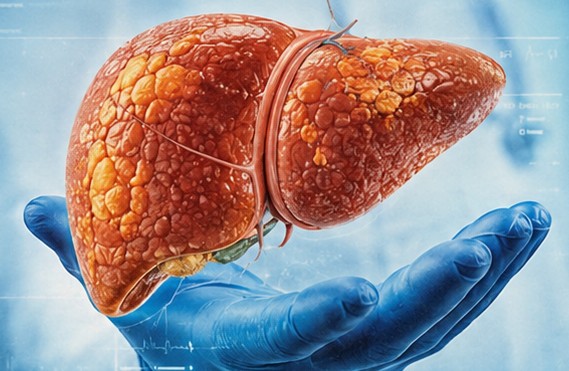
Fatty liver disease, for example, often causes few or no symptoms—even when liver disease is progressing.
So instead of waiting for symptoms, it makes sense to understand the biggest, evidence-backed threats to liver health.
Here are 7 things that can seriously damage your liver, according to evidence and guidance from organisations including the NIH, NIDDK, CDC, WHO and American Association for the Study of Liver Diseases (AASLD).
1. Excessive Alcohol
Alcohol is one of the most established causes of liver injury.
When the liver repeatedly has to process excessive amounts of alcohol, it can contribute to a spectrum of alcohol-associated liver disease—from fatty liver to inflammation, fibrosis and eventually cirrhosis.
The World Health Organization recognises long-term excessive alcohol consumption as a cause associated with liver cirrhosis.
Why is alcohol so harmful?
Repeated heavy alcohol exposure can promote:
Fat accumulation in the liver
Liver inflammation
Fibrosis (scarring)
Cirrhosis
Increased risk of liver-related complications
And alcohol doesn't become "safe for the liver" simply because you drink only on weekends. The amount and pattern of alcohol consumption matter.
If you already have liver disease, alcohol can be particularly concerning. NIDDK recommends minimising alcohol in people with fatty liver disease.
CareUnfiltered takeaway:
If protecting your liver is the goal, reducing or avoiding alcohol is one of the most meaningful lifestyle changes you can make.
2. Excess Body Fat, Insulin Resistance & Fatty Liver
Here's something many people don't realise:
You don't need to drink alcohol to develop fatty liver.
The condition formerly called NAFLD is now generally referred to as MASLD — metabolic dysfunction-associated steatotic liver disease.
It occurs when excess fat accumulates in the liver in association with metabolic risk factors.
Major risk factors include:
Overweight or obesity
Insulin resistance
Type 2 diabetes
High triglycerides
Abnormal cholesterol
High blood pressure
Metabolic syndrome
And MASLD isn't always obvious.
A person can look relatively healthy on the outside and still have metabolic problems affecting the liver.
Why should you care?
Simple fatty liver may remain relatively stable in many people. But in some people, liver inflammation and injury can develop.
This can progress to:
Fat accumulation → inflammation → fibrosis → cirrhosis → liver cancer
The progression isn't inevitable, but the possibility is serious.
The good news?
Lifestyle changes can make a real difference.
NIDDK reports that losing at least 3–5% of body weight can reduce liver fat, while greater weight loss—around 7–10%—may be needed to improve liver inflammation and fibrosis.
3. Too Much Sugar—Especially Sugary Drinks
This doesn't mean that eating one piece of fruit is "damaging your liver."
That's an important distinction.
The concern is regular excess intake of added/simple sugars and sugar-sweetened beverages, particularly when they contribute to excess calorie intake, weight gain and metabolic dysfunction.
Examples include:
Soft drinks
Sweetened packaged beverages
Sugary energy drinks
Sweetened tea/coffee
Excess desserts
Highly processed foods containing large amounts of added sugar
NIDDK specifically advises people with fatty liver disease to avoid foods and drinks containing large amounts of simple sugars, including fructose-containing sweetened beverages.
Why does this matter?
Excess calories and metabolic dysfunction can contribute to fat accumulation in the liver.
And here's the important nuance:
Sugar isn't the only cause of fatty liver.
Overall diet, calorie intake, body weight, physical activity, genetics, insulin resistance and other metabolic factors all matter.
So don't fall for headlines claiming that one particular food "destroys your liver."
The bigger issue is your overall dietary pattern and metabolic health.
4. Ignoring Hepatitis B & C
Not every liver problem comes from lifestyle.
Some are caused by viruses.
Chronic hepatitis B and hepatitis C are major causes of chronic liver disease, cirrhosis and liver cancer.
And hepatitis can be deceptive.
Some people have few or no obvious symptoms for years.
That's why testing matters.
For hepatitis B, CDC states that testing is the only way to know whether you are infected, and chronic infection can lead to liver damage, liver cancer and liver failure.
Hepatitis B is also preventable.
Vaccination is one of the most effective ways to prevent hepatitis B infection. CDC recommends hepatitis B vaccination for infants and children and also for adults according to age and risk recommendations.
Don't assume "I feel fine" means your liver is fine.
For people with appropriate risk factors or medical indications, discussing hepatitis testing with a healthcare professional can be important.
5. Taking Too Much Medicine—or Mixing Medicines Carelessly
"Over-the-counter" does not mean "impossible to overdose."
One important example is acetaminophen/paracetamol.
Taking more than recommended can cause severe liver injury, liver failure and even death.
The FDA warns that adults and children aged 12+ should not exceed 4,000 mg of acetaminophen in 24 hours, and people should be careful because multiple medicines may contain acetaminophen.
The hidden problem?
You may unknowingly take the same ingredient twice.
For example, someone might take a painkiller and a cold/flu medicine without realising that both contain acetaminophen/paracetamol.
That's why:
Always check the active ingredients.
And if you have liver disease, take multiple medicines, or are unsure about combining medicines, ask a doctor or pharmacist.
6. Assuming "Natural" or "Herbal" Means Liver-Safe
This is one of the biggest myths in modern wellness.
Natural ≠ automatically safe.
Some herbal products and dietary supplements have been linked to drug-induced liver injury.
NIH's LiverTox database documents liver injury associated with prescription medicines, over-the-counter medicines, herbal products and dietary supplements.
The problem can be even more complicated with multi-ingredient supplements because products may vary in composition or, in some cases, contain contaminants or undeclared ingredients.
Some products marketed for:
"Liver detox"
Rapid weight loss
Bodybuilding
Fat burning
Hormonal enhancement
"Natural energy"
Herbal wellness
can therefore deserve much more scrutiny than their marketing suggests.
A real example: Ashwagandha
Ashwagandha is widely used and is not generally considered highly toxic, but NIH's LiverTox has documented cases of clinically apparent liver injury associated with commercial products labelled as containing ashwagandha.
That doesn't mean "ashwagandha destroys everyone's liver."
It means that herbal products can have real pharmacological effects and, rarely, can cause significant liver injury.
That's a much more scientifically accurate message.
7. Being Physically Inactive and Ignoring Your Metabolic Health
Your liver isn't separate from the rest of your metabolism.
Regular physical activity can help with:
Weight management
Insulin sensitivity
Metabolic health
Liver fat
Cardiovascular health
AASLD guidance has noted an association between low physical activity and metabolic syndrome/MASLD, while research supports physical activity as part of lifestyle management for fatty liver disease.
You don't need to become an athlete.
For many people, a sustainable combination of:
walking + resistance training + aerobic activity + healthier eating
is much more realistic than extreme "detox" programs.
And importantly, physical activity can benefit liver health even when significant weight loss doesn't happen immediately.
What About "Liver Detox" Drinks?
Here's where health marketing often gets ahead of science.
Your liver is already a major organ involved in processing substances in your body.
There is no magic juice, tea or detox drink that can erase the effects of excessive alcohol, obesity, hepatitis, medication toxicity or advanced liver disease.
Some supplements marketed as "liver cleanses" can actually introduce additional risks.
NIDDK specifically advises people to talk with healthcare professionals before taking dietary supplements because some herbal products can damage the liver.
The best liver "detox" is usually prevention—not a bottle.
7 Liver-Damaging Factors: The Quick Check
| Risk factor | What it can contribute to |
|---|---|
| Excessive alcohol | Fatty liver, inflammation, fibrosis, cirrhosis |
| Obesity & metabolic dysfunction | MASLD, inflammation and fibrosis |
| Excess sugary/ultra-processed intake | Metabolic dysfunction and liver fat |
| Chronic hepatitis B/C | Cirrhosis and liver cancer |
| Medicine overdose/misuse | Acute liver injury or failure |
| Unsafe/poorly regulated supplements | Drug-induced liver injury |
| Physical inactivity | Increased metabolic risk and liver fat |
The Liver Doesn't Always Warn You Early
One of the most important facts about liver disease is that symptoms may appear late—or not at all.
Fatty liver disease can be silent, meaning a person may feel perfectly normal while liver fat or liver injury is developing.
Possible warning signs of significant liver disease can include:
Yellowing of the eyes or skin
Dark urine
Abdominal swelling
Persistent itching
Unexplained fatigue
Easy bruising or bleeding
Persistent abdominal discomfort
These symptoms don't automatically mean liver disease, but they deserve medical evaluation when persistent or concerning.
What Actually Protects Your Liver?
Forget the "miracle detox."
Focus on the fundamentals:
1. Keep alcohol intake low—or avoid it.
Especially if you already have liver disease.
2. Maintain a healthy weight.
If you have overweight/obesity and fatty liver, even modest weight loss can reduce liver fat.
3. Exercise regularly.
Walking is a good place to start; build toward a sustainable exercise routine.
4. Reduce sugary drinks and highly processed foods.
Prioritise vegetables, fruits, whole grains, legumes, adequate protein and healthier unsaturated fats.
5. Don't self-medicate.
Follow medication doses and check whether multiple products contain the same active ingredient.
6. Treat supplements like medicines.
Tell your doctor about herbal and dietary supplements you take.
7. Know your hepatitis status.
Discuss hepatitis B/C testing and hepatitis B vaccination where appropriate.
The Bottom Line
Your liver doesn't need an Instagram detox.
It needs less exposure to preventable harm and better control of the factors that actually drive liver disease.
The biggest threats aren't necessarily exotic toxins hiding in your kitchen.
They can be surprisingly ordinary:
Excess alcohol.
Metabolic dysfunction.
Too much highly processed food and sugary drinks.
Untreated viral hepatitis.
Medication overdosing.
Unsafe supplements.
Physical inactivity.
And because liver disease can remain silent, prevention and appropriate medical evaluation matter far more than waiting for symptoms.
CareUnfiltered believes health information should be clear, evidence-based and free from fear-mongering.
Don't panic over one food, one drink or one supplement.
Look at the whole picture of your liver health.
Evidence & Research Sources
NIDDK/NIH: MASLD/NAFLD causes, risk factors, diagnosis and treatment.
NIDDK/NIH LiverTox: Drug-, herbal- and supplement-induced liver injury.
FDA: Acetaminophen/paracetamol safety and overdose-related liver injury.
CDC: Hepatitis B testing, vaccination and chronic liver disease risks.
WHO: Alcohol and liver cirrhosis.
AASLD: Evidence-based guidance on MASLD lifestyle management and liver disease.
Last medically reviewed for this article: August 2026
Publisher: CareUnfiltered — vipulbhatnagar.in
Medical terminology note: NAFLD/NASH are increasingly being replaced by the terms MASLD/MASH under the updated nomenclature introduced by international hepatology societies.
SEO Title: 7 Things That Damage Your Liver: Alcohol, Fatty Liver, Medicines & More
Meta Description: Discover 7 evidence-based habits and conditions that can damage your liver, from alcohol and obesity to excess sugar, hepatitis, medicines and unsafe supplements.
Focus Keyword: things that damage your liver
Secondary Keywords: liver damage causes, liver health, fatty liver disease, MASLD, liver damage symptoms, foods bad for liver, alcohol and liver damage, liver detox, liver disease prevention, liver health tips, causes of fatty liver, liver disease risk factors
Medical Disclaimer
This article is for general health education and is not a substitute for diagnosis, treatment or personalised medical advice. Liver disease has many causes, and the risks associated with alcohol, medicines, supplements, diet and metabolic conditions vary between individuals. If you have abnormal liver tests, known liver disease, jaundice, severe abdominal symptoms, or concerns about medication/supplement-related liver injury, consult a qualified healthcare professional.