

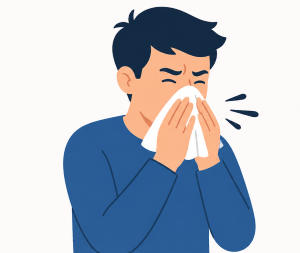
Cough & Cold: Do’s and Don’ts
A cough, blocked nose, sneezing, sore throat, or that tired feeling can make even a normal day feel difficult. Most coughs and colds are caused by viral infections and often improve on their own with time, rest, and supportive care.
But here’s the problem: when people get a cold, they often try everything they hear from friends, family, social media, or the internet. Some things may provide comfort, while others can actually make symptoms worse or delay proper treatment. So, what should you do — and what should you avoid — when you have a cough or cold? Let’s keep it simple.
Do’s for Cough and Cold
1. Do get enough rest
Your body needs energy while you are recovering. You don't necessarily need to stay in bed all day, but give yourself enough time to sleep and take things easy.
If you feel tired, don't push yourself unnecessarily.
2. Do drink enough fluids
Water, warm soups, herbal drinks, and other non-alcoholic fluids can help you stay hydrated. Warm liquids may also feel soothing when you have a sore or irritated throat.
You don't need to force excessive amounts of water. Drink regularly according to your thirst and needs.
3. Do try warm fluids for throat comfort
A warm drink can temporarily soothe an irritated throat and make you feel more comfortable.
For some people, warm water with honey may help with cough. Honey should not be given to children under 1 year of age.
4. Do keep your hands clean
Coughs and colds can spread through respiratory droplets and contaminated hands or surfaces.
Wash your hands regularly, particularly after coughing, sneezing, blowing your nose, or before eating.
If soap and water aren't available, an alcohol-based hand sanitizer can be useful.
5. Do cover your cough and sneeze
Use a tissue or your elbow rather than coughing or sneezing directly into your hands.
If you're feeling unwell, especially around older adults, babies, or people with weaker immunity, consider reducing close contact and wearing a well-fitting mask when appropriate.
6. Do keep your surroundings comfortable
A clean, reasonably ventilated room can make you feel more comfortable.
If dry air is irritating your nose or throat, a clean humidifier may help some people. If you use one, clean it properly and regularly to prevent microbial growth.
7. Do pay attention to warning signs
A simple cold usually gets better with time. But don't ignore symptoms that are severe, unusual, or getting worse.
Seek medical advice if you have difficulty breathing, chest pain, dehydration, confusion, persistent high fever, symptoms that significantly worsen, or symptoms that are not improving as expected.
People with certain long-term medical conditions, older adults, very young children, and people with weakened immunity may need medical advice earlier.
Don’ts for Cough and Cold
1. Don't start antibiotics on your own
This is one of the most common mistakes.
Most ordinary colds are caused by viruses, while antibiotics are designed to treat certain bacterial infections. Taking antibiotics unnecessarily won't treat a viral cold and can contribute to antibiotic resistance and side effects.
Don't use leftover antibiotics from a previous illness either.
2. Don't mix multiple cold medicines without checking the ingredients
Many cough and cold products contain more than one active ingredient. Taking several products together can accidentally result in taking too much of the same medicine.
Always check the label and, if you're unsure, ask a doctor or pharmacist.
3. Don't smoke
Smoking can irritate the airways and make coughing more unpleasant. It's also a good idea to avoid second-hand smoke while you're recovering.
4. Don't rely on very hot steam
Steam may feel soothing for some people, but extremely hot steam can cause burns, especially in children.
If you use steam or a humidifier for comfort, avoid very high temperatures and take appropriate safety precautions.
5. Don't believe every “instant cure”
There is no magic drink, powder, supplement, or home remedy that guarantees an instant cure for a common cold.
Some remedies may provide temporary symptom relief, but that doesn't necessarily mean they cure the infection.
Be particularly careful with online claims promising a cure in a few hours.
6. Don't ignore a cough that keeps coming back
A cough isn't always just a cold. Allergies, asthma, acid reflux, smoking, medication side effects, and other conditions can also cause coughing.
If your cough is persistent, recurrent, severe, or interfering with sleep and daily life, it's worth getting evaluated rather than repeatedly treating it as “just a cold.”
The Bottom Line
For most uncomplicated coughs and colds, rest, fluids, good hygiene, and sensible symptom care are more useful than trying every remedy you hear about.
And remember: feeling better doesn't always mean you should immediately return to your normal routine. Give your body time to recover and take reasonable steps to avoid spreading the infection to others.
If symptoms are severe, persistent, worsening, or concerning, don't self-treat indefinitely. A healthcare professional can help determine whether it's really a common cold or something that needs different treatment.
Frequently Asked Questions
1. Can I exercise when I have a cold?
If symptoms are mild and you feel well enough, light activity may be reasonable. Avoid strenuous exercise if you have significant fatigue, fever, breathing difficulty, chest symptoms, or feel generally unwell.
2. Does drinking warm water cure a cold?
No. Warm fluids may soothe the throat and help you stay hydrated, but they do not guarantee a cure.
3. Should I take antibiotics for a cough?
Not unless a healthcare professional determines that an antibiotic is appropriate. Many coughs are caused by viruses.
4When should I see a doctor for a cough?
Seek medical advice if the cough is severe, persistent, worsening, associated with breathing difficulty or chest pain, or accompanied by other concerning symptoms.
Medical Disclaimer:
This article is intended for general health awareness and educational purposes only. It does not diagnose, treat, or replace advice from a qualified healthcare professional. Individual symptoms can have different causes. If symptoms are severe, persistent, worsening, or concerning, consult a doctor or other qualified healthcare professional.